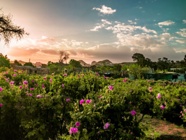

Saudi Arabia welcomes travelers with a remarkable variety of cities, each with its own unique character, iconic attractions, and impressive flavors. Whether you are seeking adventure, relaxation, or a journey through tradition and taste, Saudi cities promise an inspiring and memorable travel experience.
Getting around Saudi Arabia is an essential part of enjoying its diverse cities and attractions, and having reliable transportation allows visitors to explore comfortably and at their own pace. Renting a modern car is one of the most convenient ways for tourists to move between sites without restrictions. With 42 branches spread across the Kingdom and 16 convenient locations at major airports, Lumi enables visitors to begin their journey immediately upon arrival. Easy online and app-based booking also makes arranging transportation quick and stress-free, ensuring a smooth and enjoyable travel experience from the very first moment.
Jeddah
Jeddah is one of Saudi Arabia’s most vibrant and captivating cities, offering an extraordinary blend of history, culture, and seaside allure that makes it a must-visit destination. Located on the western coast of Saudi Arabia along the Red Sea. The city enjoys a hot desert climate with warm to hot temperatures year-round and humidity due to its coastal position.
What truly sets Jeddah apart are its rich cultural treasures and inviting attractions. Wander through Al-Balad (Historic Jeddah), the historic old town and a UNESCO World Heritage Site with ancient coral stone buildings and traditional souks. Stroll along the stunning Jeddah Corniche with its beaches, parks, and public art, punctuated by the towering King Fahd Fountain, at 312 meters high. Visit the serene Floating Mosque (Al Rahma Mosque) perched on the Red Sea. Or explore modern delights like the Fakieh Aquarium and shopping at the Red Sea Mall. History and architecture lovers can also explore Asfan Castle near Jeddah, which offers insight into the region’s past. Beyond the city, travelers can escape to Umluj, often called the “Maldives of Saudi Arabia,” renowned for its crystal-clear waters, white-sand beaches, coral reefs, and relaxing island experiences.
AlUla
AlUla is one of Saudi Arabia’s most extraordinary destinations, celebrated for its distinctive fusion of ancient history, dramatic desert landscapes, and innovative cultural experiences that make it an unforgettable stop for travelers. Nestled in the north-west of Saudi Arabia, AlUla sits within a broad desert valley that was once an important crossroads on the ancient incense trade route and has evolved into a living testament to human civilization spanning millennia. The climate in AlUla is classic desert, with hot and dry summers and mild, pleasant winters.
What truly makes AlUla stand out is its rich tapestry of history and natural wonder. It is home to Hegra (Al-Hijr / Mada'in Salih), Saudi Arabia’s first UNESCO World Heritage Site, where ancient Nabataean tombs are carved into sandstone cliffs. Travelers can also wander through the atmospheric AlUla Old Town, an oasis settlement with mud-brick houses and lively markets that reflect centuries of Bedouin life. Natural landmarks such as Elephant Rock and the vast Sharaan Nature Reserve offer breathtaking scenery. Jabal Ikmah’s ancient inscriptions and modern cultural icons like the mirrored Maraya Concert Hall showcase the region’s harmony between past and present.
Aseer
The Aseer Region in southwest Saudi Arabia is a truly special destination that stands apart from the rest of the Kingdom with its dramatic mountain landscapes, cool climate, and rich cultural heritage. Located high in the Sarawat Mountains, Aseer offers visitors a refreshing escape from the desert heat, boasting mild temperatures, lush greenery, and frequent mist that gently drapes the highlands in a magical atmosphere. Seasonal rainfall further enhances the region’s natural beauty, nourishing its valleys and forests and creating scenic views of fog-covered peaks and rain-kissed villages.
Aseer’s Incomparable charm lies in its combination of nature and history: explore Al Soudah, Saudi Arabia’s highest peak, with panoramic views and forested trails. Adventure seekers will also delight in Tanomah waterfalls and the Misty Mountains. History buffs can wander through traditional villages and museums that showcase Aseer’s unique architectural traditions and flourishing local culture, and for ultimate freedom, rent a car from Lumi and explore at your own pace
Abha
Abha is one of Saudi Arabia’s most mesmerizing destinations, celebrated for its dramatic mountain scenery, rich cultural heritage, and cool, refreshing climate. Nestled high in the southwestern part of Saudi Arabia, Abha sits at an altitude of about 2,270 meters above sea level, giving it pleasantly mild summers and cool winters. The city is also famous for its misty mornings and drifting fog, which often blankets the mountains and valleys, creating a serene, almost dreamlike atmosphere.
What truly makes Abha special is its remarkable mix of natural beauty and cultural treasures. Visitors can ride panoramic cable cars over verdant valleys. Stroll through the lively Art Street lined with galleries and jacaranda trees. Step back in time at the historic Rijal Almaa Heritage Village, featuring ancient stone architecture. Outdoor enthusiasts will also appreciate the nearby Aseer National Park, where lush landscapes and mountain trails await, and the iconic Green Mountain offers breathtaking views of the surrounding terrain.
Riyadh
Riyadh, Saudi Arabia’s dynamic capital, located on the high Najd plateau, invites travelers to explore a city where history and modernity blend in unforgettable ways. The desert climate here brings hot, sunny summers and mild, pleasant winters. For culture and heritage lovers, start in Diriyah, the historic birthplace of the Saudi state and home to the beautifully restored Al-Turaif District, a UNESCO World Heritage Site where you can wander traditional Najdi mud-brick architecture and learn about the kingdom’s origins.
In the city center, iconic landmarks like Al Masmak Palace and the National Museum of Saudi Arabia offer deep insights into Saudi history and culture. For sweeping views, visit the Sky Bridge at Kingdom Centre Tower. And for nature lovers, the dramatic Edge of the World cliffs on the desert’s horizon provide a breathtaking outdoor adventure just outside Riyadh. Alongside these highlights, flourishing urban parks like King Abdullah Park, charming traditional souqs, and world-class dining and entertainment districts make Riyadh a must-visit destination.
Hail
Hail is one of Saudi Arabia’s most captivating hidden gems, where ancient history and dramatic desert landscapes come together to offer an incredible travel experience. Located in the northern part of the Kingdom, Hail sits at the edge of the vast Nafud Desert, surrounded by rugged mountains, open plains, and fertile agricultural valleys. The city is renowned for its UNESCO-inscribed rock art sites, such as Jabal Umm Sinman in Jubbah and the petroglyphs at Shuwaymis, exceptional archaeological treasures that trace human history back thousands of years.
Hail experiences a desert climate, with hot summers and cool winters, and on rare occasions, the city even witnesses snowfall. Highlights in and around the city include the historic A’arif fort and Al Qishlah Palace, where traditional Saudi architecture and panoramic views await. Visit the Hail Regional Museum to discover the region’s rich heritage. Embark on thrilling adventures in the vast Nafud Desert. And experience lively cultural events such as the colorful Hail Fest, where local traditions and community spirit come to life.
Tabuk
Tabuk is one of Saudi Arabia’s most fascinating destinations, offering travelers an unmatched blend of ancient history, dramatic landscapes, and natural wonders that set it apart from other cities in the Kingdom. Located in northwestern Saudi Arabia, Tabuk acts as a gateway to both desert adventures and Red Sea coastlines.
Tabuk’s climate is generally desert-like, with hot, sunny summers and mild to cool winters. In the surrounding highlands and mountains, such as Jabal Al-Lawz, rare snowfall can occur in winter, adding a spectacular twist to the landscape that many visitors find unforgettable.
Tabuk offers a diversity of attractions. History lovers can wander through the 16th-century Tabuk Archaeological Castle, which now houses a museum. Nature enthusiasts can explore the dramatic sandstone formations and palm-lined oasis of Wadi Al Disah in the nearby Prince Mohammed bin Salman Natural Reserve. The region also provides access to the crystal-clear waters and coral reefs of the Red Sea, and serves as a starting point for desert safaris and ancient hiking trails. The nearby coastal town of Haql adds another dimension to the experience, with pristine turquoise waters, white-sand beaches, coral reefs, and world-class diving spots where visitors can relax or snorkel amid stunning marine life.
Dammam
Dammam, the dynamic capital of Saudi Arabia’s Eastern Province, is a unique destination where coastal charm beautifully meets modern city life. Located on the shores of the Arabian Gulf in the country’s east, Dammam is famed for its welcoming atmosphere, scenic waterfront, and rich cultural heritage. Its climate is typically warm and sunny, with hot summers perfect for beach lovers and mild, pleasant winters ideal for outdoor exploration.
Visitors can stroll along the iconic Dammam Corniche, relax on the sandy beaches of Half Moon Bay, and enjoy family fun at King Fahd Park, one of the largest green spaces in the Kingdom. Culture enthusiasts will appreciate the city’s museums and heritage sites, while nearby attractions like Dolphin Village and Al Marjan Island entertain all ages. For smooth travel between these spots, rent a car from Lumi through the website, or simply download the Lumi app.
Al Ahsa
Al Ahsa is one of Saudi Arabia’s most enchanting destinations and a must-visit for travelers seeking a unique blend of natural beauty, history, and culture. Located in the Eastern Province, this remarkable region is home to the world’s largest palm oasis, a UNESCO-listed cultural landscape boasting millions of lush date palms and more than 150 natural springs that have sustained life in the desert for millennia. Al Ahsa’s climate brings long, hot summers and mild, pleasant winters.
What makes Al Ahsa truly special is its rich historic heritage and vibrant experiences, from wandering through the ancient Souq Al-Qaisariya with its traditional crafts and spices, to discovering the cool caves of Al Qarah Mountain, visiting the historic Jawatha Mosque, and relaxing by serene water springs that have drawn travelers for centuries.
Dhahran
Dhahran is a unique and vibrant city in the Eastern Province of Saudi Arabia, known as the administrative heart of the country’s historic oil industry and home to the world-famous Saudi Aramco headquarters, making it a compelling destination for curious travelers exploring the Kingdom’s modern achievements and cultural evolution. Located on the Arabian Gulf coast, Dhahran offers visitors a blend of contemporary urban life and rich cultural experiences in an accessible coastal region of Saudi Arabia. The city experiences a hot desert climate, with long summers and mild, pleasant winters.
Highlights for visitors include the King Abdulaziz Center for World Culture (Ithra), a world-class cultural and arts hub featuring museums, exhibitions, theaters, and learning spaces that celebrate Saudi heritage and innovation; scenic Dhahran Hills Park for relaxing strolls. Together, these attractions make Dhahran an inviting stop for travelers looking to explore both the cultural depths and modern face of Saudi Arabia’s Eastern Province.
Saudi Arabia’s culinary scene
Saudi Arabia’s culinary scene is a rich reflection of its diverse regions and deep-rooted traditions, offering visitors a flavorful journey across the Kingdom. In Riyadh, heritage restaurants such as Suhail, Aseeb, and Najd Village invite travelers to savor authentic Najdi dishes like Jareesh, Marqooq, Masabeeb, and the beloved date-filled Kleija. Moving east, the Eastern Province delights food lovers with Balaleet, Harees, and Thareed, showcasing warm, home-style flavors.
The Western Region is known for its distinctive Hijazi cuisine, including Mantu dumplings, Hijazi Madous, and Mnazaleh. In the Southern Region, visitors can enjoy rustic and nourishing dishes like Areekah, Ma’soub, Haneeth, and Asida. Meanwhile, the Northern Region offers simple yet satisfying specialties such as Khmeiaa and Maqshoosh, reflecting the area’s heritage and climate. Together, these regional cuisines make Saudi Arabia an exceptional destination for travelers seeking authentic cultural and gastronomic experiences across its cities and landscapes.
Refferences
- my.gov.sa, Jeddah Municipality
- visitsaudi.com, About AlUla
- saudigazette.com.sa, Asir, the first choice of tourists for its attractive nature, weather
- visitsaudi.com, About Riyadh
- myholidays.com, Top Places to Visit in Hail: Your Essential Travel Guide for 2025
- visitsaudi.com, About Tabuk
- unesco.org, Al-Ahsa Oasis, an Evolving Cultural Landscap